How Ibogaine Works
Ibogaine affects the brain differently from any standard addiction medication. Here’s what scientists know about how it works, what they’re still figuring out, and why it matters if you’re considering treatment, explained in plain language.
How Ibogaine Works, in Brief
Researchers are still piecing together exactly how ibogaine works, but three things stand out:
- It acts on many brain systems at once. Most addiction medications target one receptor. Ibogaine affects opioid, glutamate (NMDA), serotonin, dopamine, and nicotinic systems together.
- It leaves something behind. The body converts ibogaine into noribogaine, which stays active for days after the session.
- The experience itself seems to matter. The long, dreamlike session gives many people a new perspective on their past and their use.
New to the topic? Start with what ibogaine is. Below, we go deeper into each piece and explain how ibogaine is used safely at Iboga Treatment Center.
What Happens in the Body
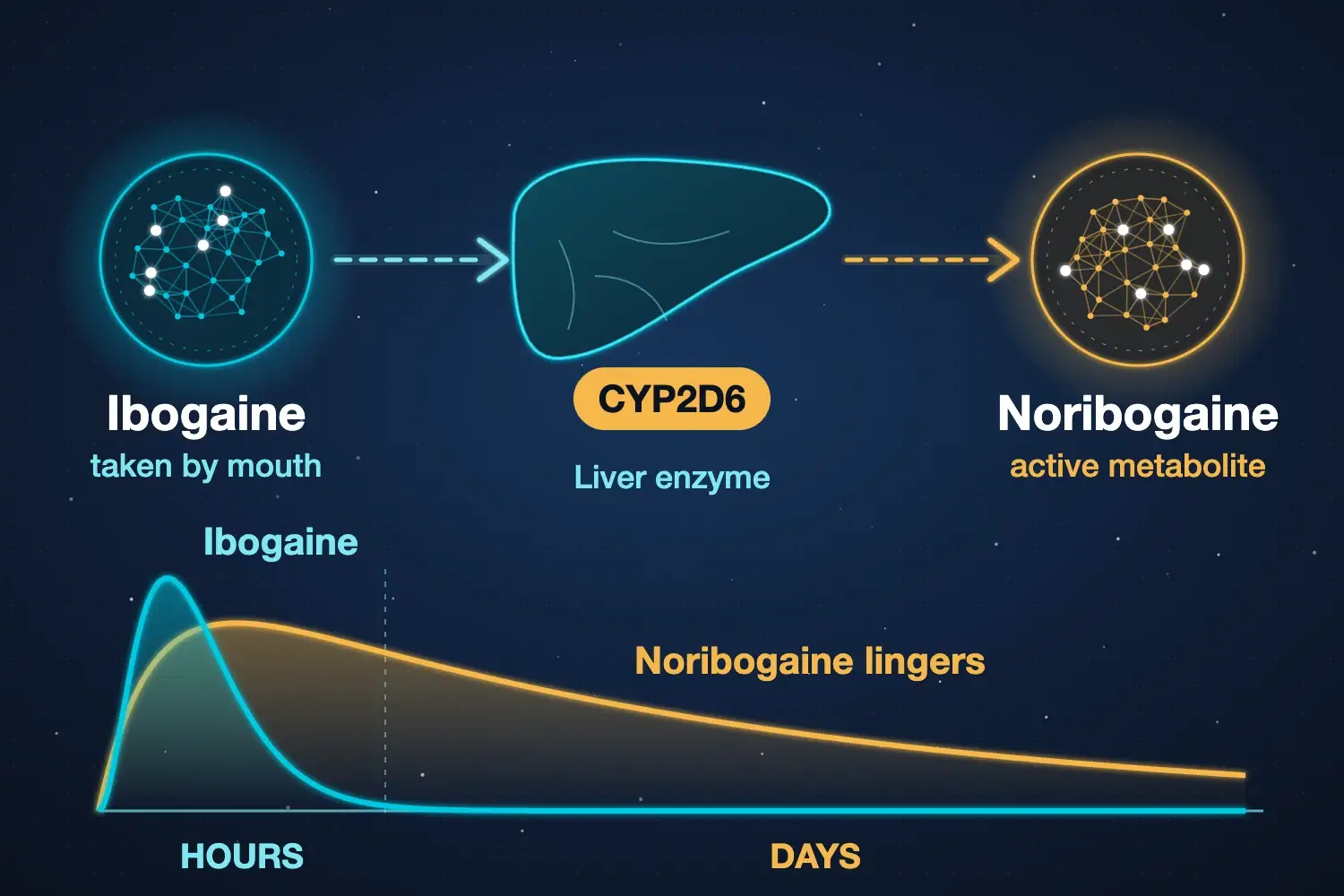
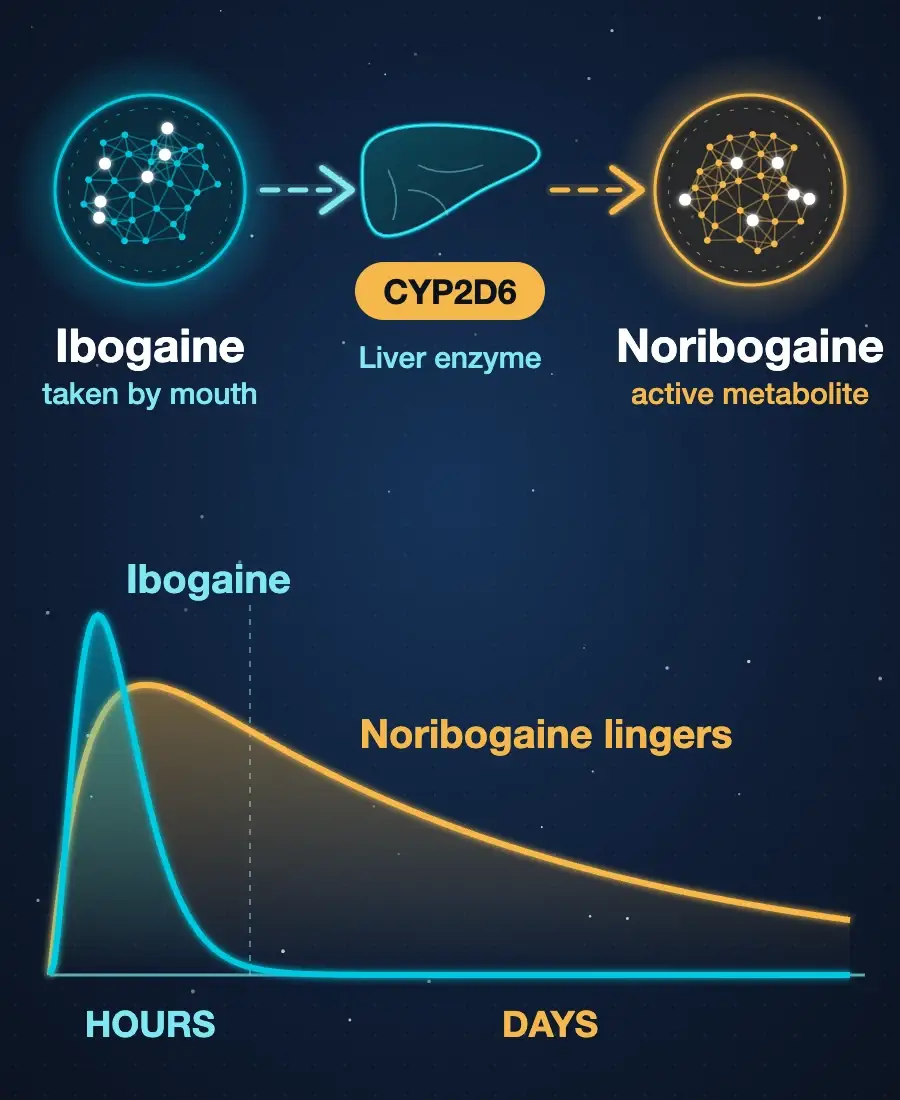
Ibogaine is taken by mouth and absorbed through the gut. Its effects build over the first few hours; the most intense part of the experience usually lasts several hours and is followed by a long, quieter phase.
Meanwhile, the liver breaks ibogaine down, mainly through an enzyme called CYP2D6, into noribogaine. Noribogaine is active in its own right and clears slowly. Its half-life is roughly one to two days, so it stays in the body for several days after treatment, which is one reason the days after the session matter so much.
The same enzyme explains why a full medication review is essential. Some common medications, including certain antidepressants, slow CYP2D6 and can raise ibogaine levels in the blood, and people’s natural enzyme activity also varies. Your medical team needs to know everything you take.
How Ibogaine Acts on the Brain
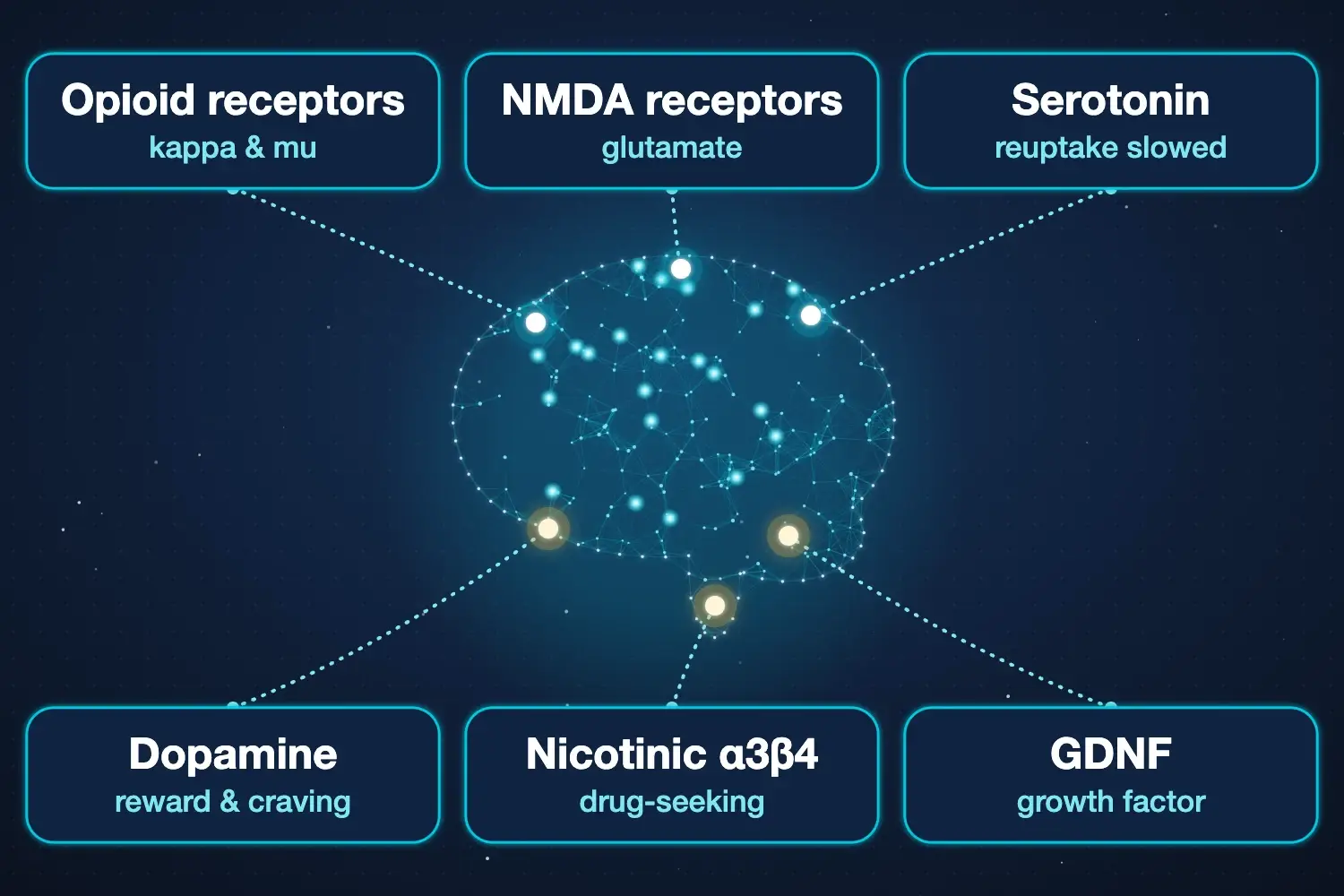
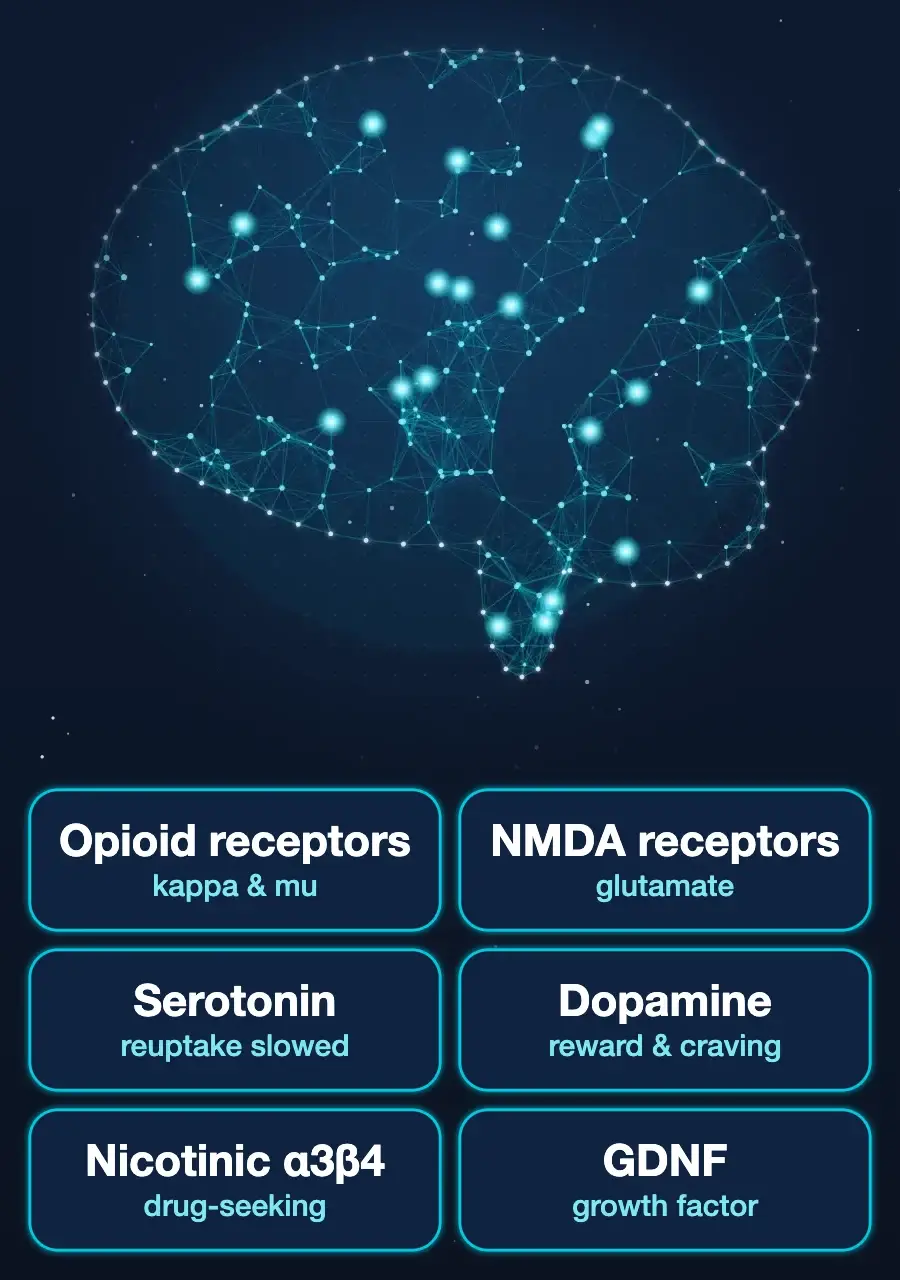
Ibogaine and noribogaine interact with several systems tied to dependence, mood, and craving. A lot of this evidence comes from lab and animal work, so treat it as the best current explanation, not proven fact.
- Opioid receptors. Both compounds interact with kappa- and mu-opioid receptors. Unlike methadone or Suboxone, ibogaine doesn’t keep these receptors occupied day after day, but these interactions may be part of why withdrawal eases.
- NMDA (glutamate) receptors. Ibogaine blocks these receptors, which are involved in learning, memory, and the development of tolerance. In animal studies, NMDA blockers reduce signs of opioid tolerance and withdrawal.
- Serotonin and dopamine. Ibogaine and especially noribogaine slow the reuptake of serotonin, much as some antidepressants do, and they also affect dopamine, the chemical messenger at the center of reward and craving.
- Nicotinic receptors. Ibogaine blocks a type of nicotinic receptor (alpha-3 beta-4) that has been linked to drug-seeking behavior in animal studies.
- Growth factors. In rats, ibogaine increased levels of GDNF, a protein that supports dopamine neurons, in the brain’s reward area, and that increase was linked to reduced alcohol seeking.
Why Withdrawal Can Ease So Quickly
The effect most people notice first is on opioid withdrawal. In a 1999 study of 33 people dependent on opioids, 25 showed no objective signs of withdrawal within 24 hours of a single ibogaine treatment and no drug-seeking over the following three days. Later observational studies in Mexico and New Zealand reported similar reductions in withdrawal and cravings.
What makes this unusual is that ibogaine isn’t a substitute opioid. Methadone and Suboxone ease withdrawal by replacing the opioid a person was using, and they help many people. Ibogaine instead appears to interrupt the withdrawal process itself through the combined effects described above. Results vary, some symptoms can linger or return, and preparation matters, especially for long-acting opioids like methadone and Suboxone. Learn more on our ibogaine treatment for opiate addiction page.
The Psychological Side of Ibogaine
Ibogaine is often described as oneirogenic, meaning it produces a dreamlike state. Most people lie still with their eyes closed and experience a stream of memories and images, often from childhood or from key moments in their lives, while remaining aware that they’re under the medicine’s effects.
Many guests say they see their past and their substance use with unusual clarity, as if from the outside. Researchers don’t yet know how much of ibogaine’s benefit comes from this psychological experience and how much from its chemistry, but integration therapy afterward is built on the idea that both matter. It isn’t a pleasant high: the experience is long, often physically uncomfortable, and isn’t typically used recreationally.
The Window After Treatment
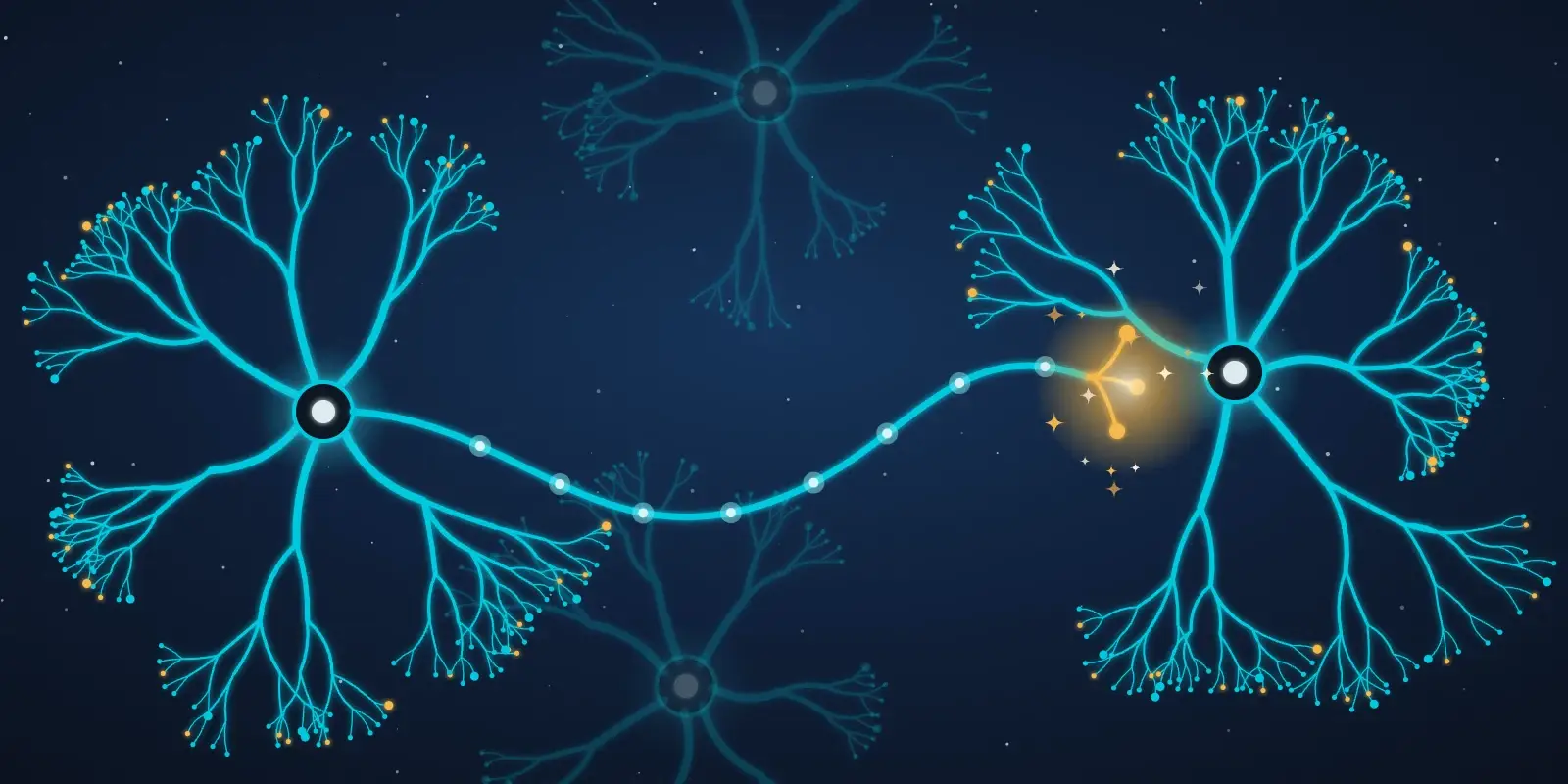
For days after the session, noribogaine remains active, and many people describe a steadier mood, fewer cravings, and a clearer head during this time. Researchers think this period may be a window of increased neuroplasticity, when the brain is more open to forming new patterns, though this is still being studied.
That’s why we treat the weeks after ibogaine as part of the treatment, not an afterthought. Rest, nutrition, counseling, and integration therapy help turn a powerful experience into lasting change, and a personalized aftercare plan keeps that support going after you leave.
How Ibogaine Affects the Heart
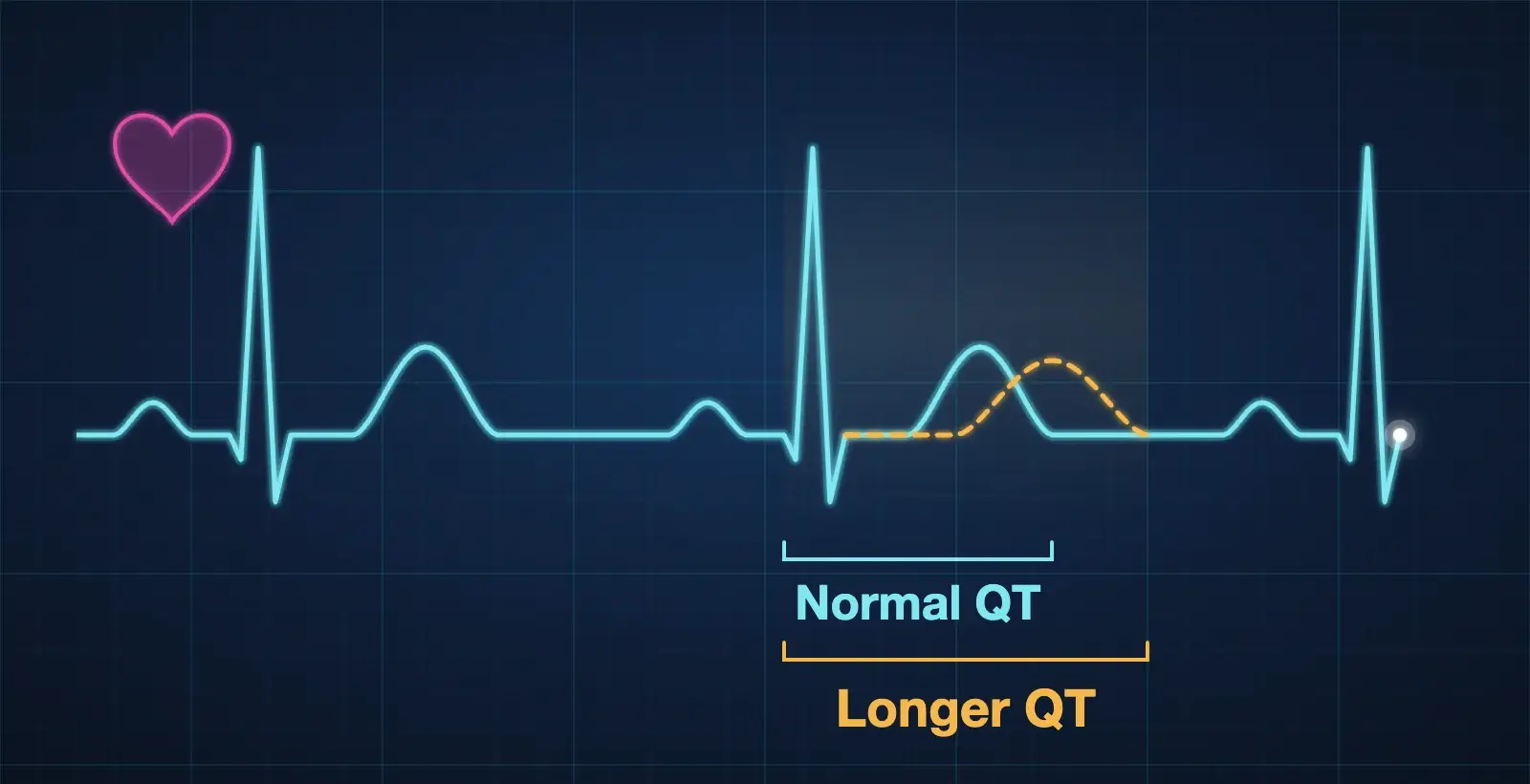
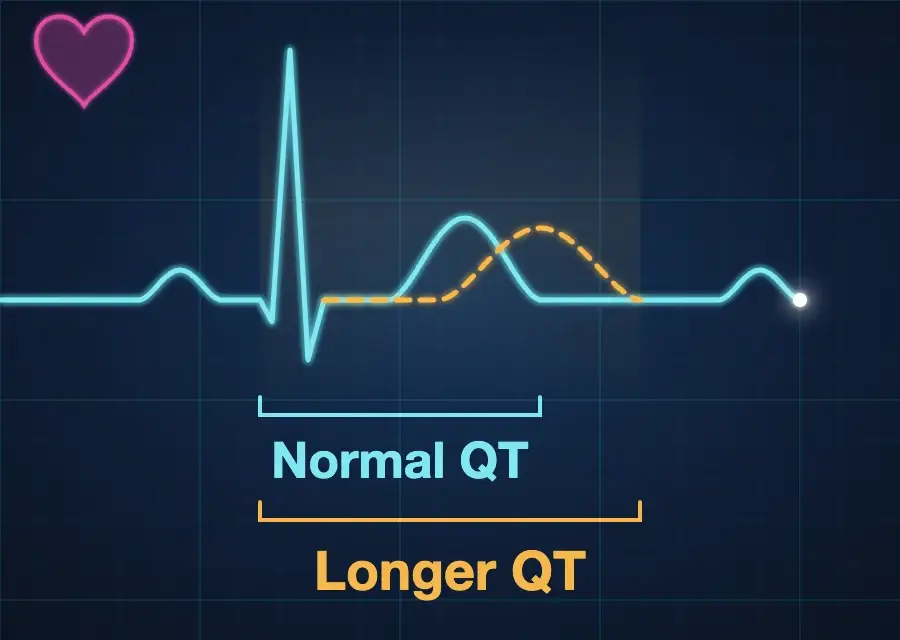
Ibogaine’s most serious risk involves the heart. Ibogaine and noribogaine block a potassium channel (known as hERG) that helps reset the heart’s rhythm after each beat. That can lengthen the QT interval on an EKG, and a significantly prolonged QT can lead to dangerous arrhythmias. Because noribogaine lingers, this effect can last for days, not just during the session.
That’s why safe ibogaine treatment depends on careful medical practice: an EKG and blood work before treatment, a full medication review, continuous cardiac monitoring during the session, and close observation in the days that follow. The Stanford veterans study in 2024 added magnesium to the ibogaine as a heart safeguard. Is Ibogaine Safe? The Honest Answer goes into the risks, and how we prepare you for treatment explains the steps before a session.
What Scientists Still Don't Know
Ibogaine has been studied for decades, but the research is still young. Most human studies have been small and observational, without control groups, and much of what we know about its mechanisms comes from animal research. No one can yet say exactly which of its many effects matter most, why it helps some people more than others, or how long its benefits last.
That’s starting to change. In 2025, Texas committed $50 million to FDA-regulated clinical trials of ibogaine, and research groups are studying it for opioid use disorder, traumatic brain injury, and PTSD. Until bigger trials report, the fair summary is that ibogaine shows promise but isn’t proven, and it belongs only in settings with careful screening and medical supervision.
How We Use Ibogaine at Iboga Treatment Center
Our treatment is built around what the science suggests matters most: careful screening before the session, a single measured flood dose under continuous cardiac monitoring, smaller doses of iboga and close support in the days that follow, and integration and aftercare planning before you go home.
Programs are tailored to the substance involved. Learn how we approach opiates, fentanyl, methadone, Suboxone, kratom, 7-OH, meth, cocaine, alcohol, as well as depression and PTSD. You can also compare our program options and see ibogaine treatment cost.
Frequently Asked Questions about Ibogaine
Quick answers to common questions about how ibogaine works in the body and brain.
Is ibogaine an opioid?
No. Ibogaine is a plant alkaloid, not an opioid, and it doesn’t produce an opioid-like high. It does interact with opioid receptors, which may be part of how it eases withdrawal.
Does ibogaine “reset” the brain?
You’ll often see that claim, but it’s an oversimplification. Ibogaine affects several brain systems at once and seems to open a window when change is easier, but it doesn’t erase addiction or return the brain to how it was before. What you do in the weeks afterward matters a great deal.
How long does ibogaine stay in your system?
Ibogaine itself is mostly broken down within a day or so, but its active metabolite, noribogaine, has a half-life of roughly one to two days and stays in the body for several days. Its effects on heart rhythm can last that long too, which is why monitoring continues after the session.
Why do I need an EKG before ibogaine?
Because ibogaine can lengthen the QT interval, part of the heartbeat that an EKG measures. A baseline EKG helps identify people for whom that would be dangerous, and continuous monitoring during treatment lets the medical team respond quickly if anything changes.
Is ibogaine addictive?
There’s little evidence that ibogaine is habit-forming. A session is long and physically taxing, which is one reason people rarely use it for fun. Its main risks are medical, especially to the heart, rather than a risk of addiction.
Does ibogaine work for everyone?
No. Many people report major relief from withdrawal and cravings, but responses vary, and some people need more support or time than others. It tends to work best within a full program, and it isn’t a safe choice for everyone. Screening will tell you whether it’s an option for you.
What's the difference between ibogaine and noribogaine?
Ibogaine is the compound you take; noribogaine is what your liver turns it into. The intense experience in the first hours comes from ibogaine, while noribogaine stays around for days and may account for the calmer mood and weaker cravings people report afterward.
Does ibogaine help with cravings, or only withdrawal?
For many people, both. Withdrawal relief is usually the most noticeable early effect, and many guests also report much weaker cravings in the weeks after treatment. Cravings can return, especially under stress or around old triggers, which is why integration and aftercare are part of treatment.
Have Questions About Ibogaine?
Our admissions team can explain how treatment would work for your situation, what screening involves, and whether ibogaine is a safe option for you.
Prefer to talk first? Call admissions at (877) 876-4157. It’s free and confidential, 7 days a week.